Beverage behavior in the age of the GLP-1
G LP-1s are influencing more than weight management; they’re shaping daily eating habits across America. Smaller appetites, fewer indulgent occasions, and more purposeful beverage choices are already emerging patterns. For foodservice operators, the opportunity lies in understanding when and why guests still reach for drinks and aligning offerings to meet these new behaviors. Consumption isn’t disappearing, it’s recalibrating.
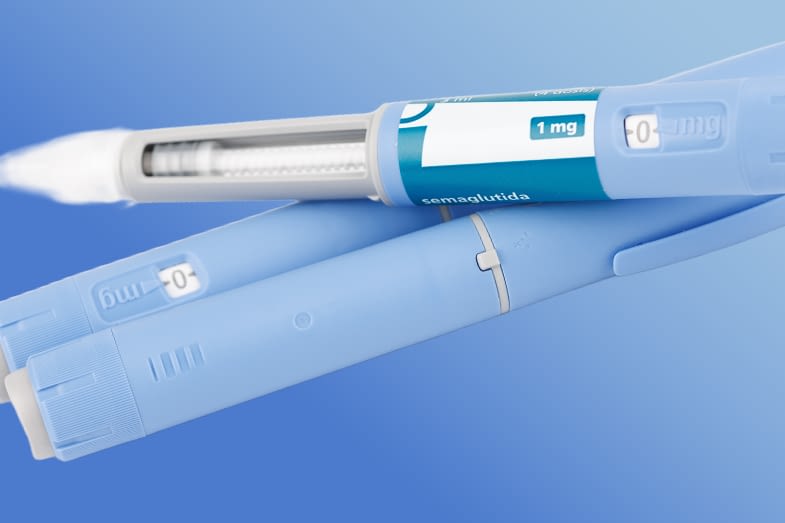
What are GLP-1s?
GLP-1s, short for glucagon-like peptide-1, are medications that mimic a naturally occurring hormone controlling blood sugar, digestion, and appetite.1 Popular names include Ozempic, Wegovy, and Mounjaro. By increasing feelings of fullness, these drugs often help people eat less and think about food less overall.²
And use of these medications is becoming increasingly common.
U.S. GLP-1 usage jumped from 5.5% of the population in October 2024 to roughly 11% by May 20253, and interest goes beyond current users—38% of consumers are either using GLP-1s or considering them.4 And we’re already seeing measurable effects on foodservice. Households with a GLP-1 user reduced limited-service restaurant spending by 8% within six months.3
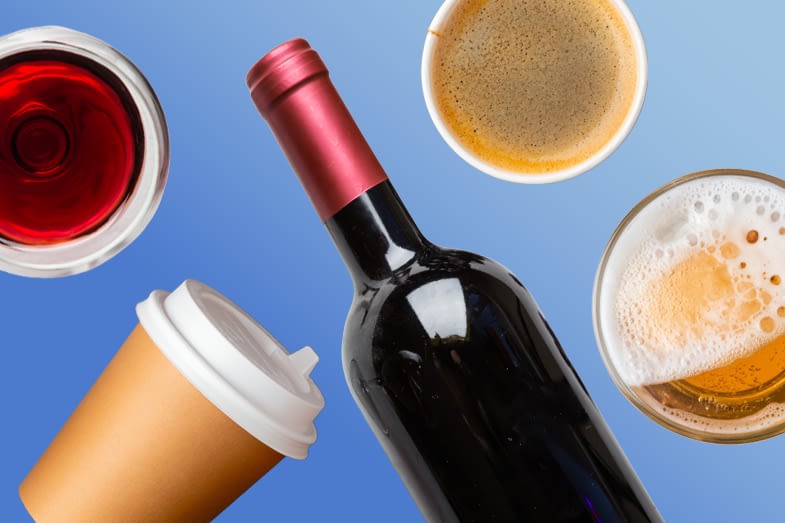
The beverage habit reset
With fullness arriving sooner and food taking up less mental space, beverages are often the first thing to get cut back. Sugary drinks, in particular, are seeing the biggest declines: GLP-1 users report a 37% drop in consumption of sweetened foods and beverages.4
Alcohol isn’t escaping the impact:
- Wine: -15%
- Beer: -16%
- Spirits: -18%
- Cocktails: -19%
Even caffeine isn’t immune, down 15% as habitual consumption gives way to more intentional choices.4
As GLP-1 adoption accelerates, menus and beverage strategies need to feature options that align with how guests are thinking (and feeling) about their drinks. Keep in mind, fewer calories consumed don’t mean fewer needs, they just mean different ones.
Meeting the beverage needs of GLP-1 users
When GLP-1ers do reach for a beverage, the decision is less about indulgence and more about impact—how the drink fits into their day, their digestion, and how they want to feel afterward—shifting beverage relevance away from habit and toward intention. Three priorities are showing up most often:
1. Reduced sugar
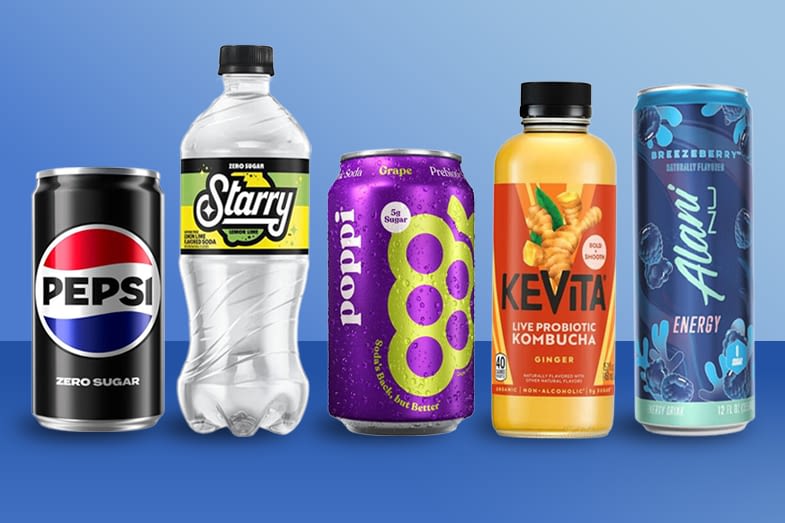
Cutting back on added sugar is one of the first recommended dietary changes for those on the medication. Zero-sugar options allow guests to participate in familiar beverage moments without the sugar they’re trying to avoid. PepsiCo’s portfolio of consumer-loved choices like Pepsi Zero Sugar and Starry Zero Sugar offers that balance they’re looking for.
2. Digestive comfort
Consumers taking GLP-1s report an increase in consumption of foods and beverages with prebiotics or probiotics, signaling heightened awareness of digestive comfort.4 Prebiotic sodas like poppi align with this shift, offering flavor-forward refreshment with less than 5 grams of sugar and prebiotics sourced from cassava root fiber and agave inulin. For a more functional alternative, KeVita Kombucha provides live probiotics in a non-alcoholic format.
3. Functional energy
GLP-1 users are driving increased interest in energy drinks,5 likely as a way to maintain energy while consuming fewer calories or supporting more wellness-driven routines. Instead of sugar-heavy formulations, demand is shifting toward low- and no- sugar options that support productivity, fitness, and active lifestyles. Alani Nu fits squarely into this mindset, combining zero sugar and low calories with functional ingredients like B vitamins and supporting energy needs without undermining broader health goals.
Offer choices that feed good—for guests and for business
Supporting GLP-1 consumers with your beverage offerings will not only help you maintain guest loyalty, but it will help you safeguard revenue as these medications continue to grow in popularity. With the PepsiCo portfolio on your side, you’ll protect beverage attachment with options that guests can feel good about choosing, with a partner you’ll feel good about working with.
Sources
1 Health Central, What to Eat (and Avoid) on GLP-1s, Elizabeth Millard, March 2025
2 Ohio State University, Taking a GLP-1? Here are foods to limit — and what to prioritize, Samantha Snashall, RDN, LD, September 2024
3 Datassential Extended Outlook (Elevate Huddle) September 2025, citing Cornell SC Johnson College of Business Research Paper, The No-Hunger Games: How GLP-1 Medication Adoption is Changing Consumer Food Demand, Hristakeva, Sylvia and Liaukonyte, Jura and Feler, Leo, December 2024)
4 Datassential 2025 MidYear Trend Report (July 2025)
5 The Food Institute, GLP-1 Drugs Have Inspired Precision Eating: What F&B Leaders Need to Know, October 2025

